Build-to-Print Manufacturing: Key Benefits for OEMs
For Original Equipment Manufacturers (OEMs), sourcing industrial components involves more than finding parts that meet dimensional requirements. Components must comply with technical specifications, quality requirements and the operating conditions of the equipment in which they will be installed.
When standard off-the-shelf components do not meet these requirements, build-to-print manufacturing enables OEMs to source parts manufactured according to their own engineering drawings and specifications.
This manufacturing approach requires coordination between Procurement, Engineering and the supplier to ensure that technical requirements, quality expectations and supply conditions are clearly defined.
Key Benefits of Build-to-Print Manufacturing for OEMs
Build-to-print manufacturing is particularly relevant when standard components cannot meet the requirements of a specific application or need to be integrated into an existing mechanical assembly.
For OEMs in industries such as elevators, rail transportation and aerospace, component requirements may involve specific geometries, materials, dimensional tolerances and operating conditions.
For Procurement and Engineering teams, understanding the implications of build-to-print manufacturing is important when evaluating sourcing options and selecting suitable manufacturing partners.
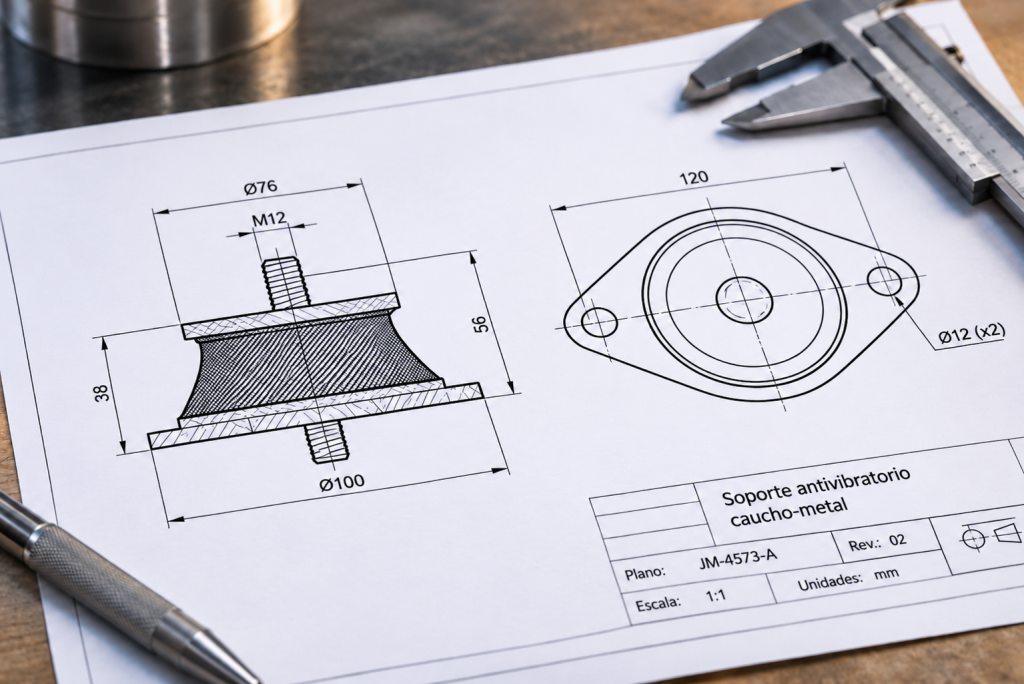
Components Manufactured to Customer Specifications
Build-to-print manufacturing allows OEMs to define component characteristics according to their engineering requirements.
For rubber and rubber-to-metal bonded components, these specifications may include:
- Component geometry and dimensions.
- Elastomer material properties.
- Metal inserts and associated components.
- Dimensional tolerances.
- Load conditions and expected operating movements.
This approach is particularly relevant when a component must fit into an assembly with specific technical constraints.
However, manufacturing feasibility depends on the component requirements and the supplier’s production capabilities.
Clear Technical Specifications and Quality Requirements
In build-to-print manufacturing, the OEM provides the technical documentation defining the component requirements.
Engineering drawings, material specifications, dimensional tolerances and acceptance criteria establish a common reference for Engineering, Procurement and the manufacturing supplier.
Clearly defined requirements support technical communication and help ensure that the supplied components can be assessed against the agreed specifications.
From a Procurement perspective, a well-defined technical package also supports supplier evaluation and enables quotations to be compared against consistent requirements.
Managing Engineering Changes and Drawing Revisions
Industrial equipment and component designs may evolve throughout a product’s lifecycle.
Changes to geometry, materials or tolerances can affect:
- Moulds and manufacturing tooling.
- Production and inspection methods.
- Manufacturing costs.
- Production and delivery lead times.
For this reason, engineering changes should be assessed before being implemented in production.
Maintaining clear drawing revision references is also important to ensure that each purchase order identifies the applicable technical specifications.
For Procurement teams, effective revision management helps maintain alignment between the components ordered and the requirements defined by Engineering.
Manufacturing Planning Aligned with Supply Requirements
Annual demand, order quantities and purchasing frequency are important factors when evaluating build-to-print manufacturing projects.
These parameters can influence manufacturing methods, tooling requirements and production planning.
Sharing forecast volumes and expected delivery schedules allows the supplier to assess the manufacturing conditions and prepare a quotation based on the project’s requirements.
For OEM Procurement teams, providing this information during the sourcing process helps clarify the commercial conditions and lead times proposed by the manufacturer.
Actual manufacturing costs and delivery schedules remain dependent on the component specifications, required quantities and production resources.
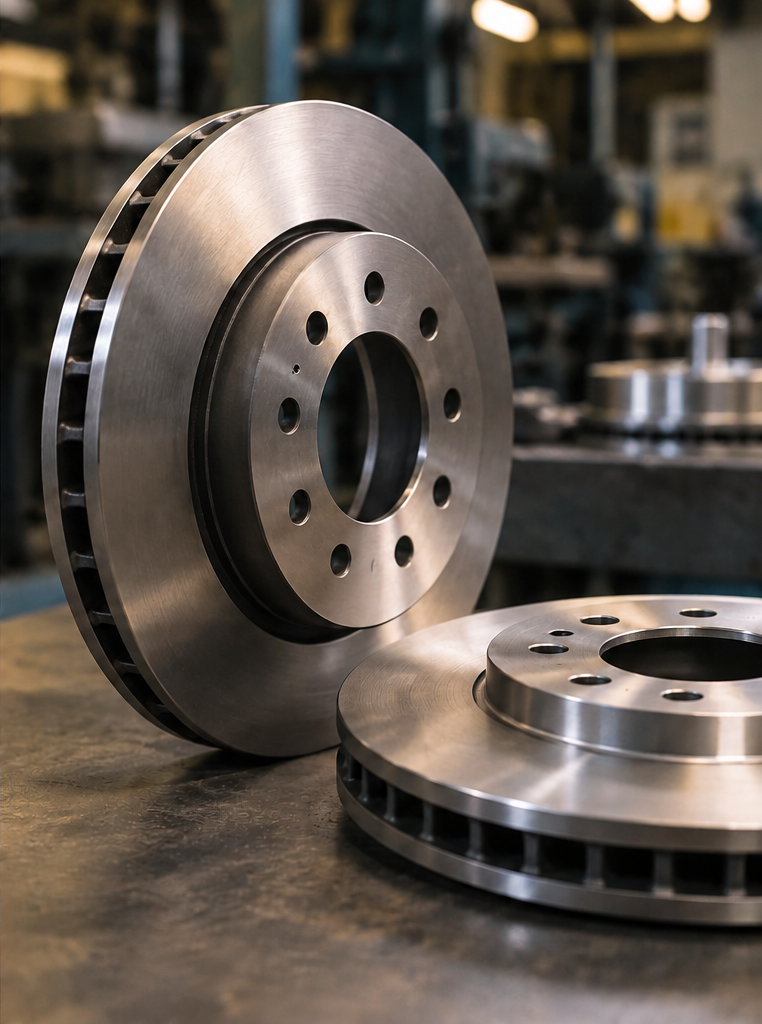
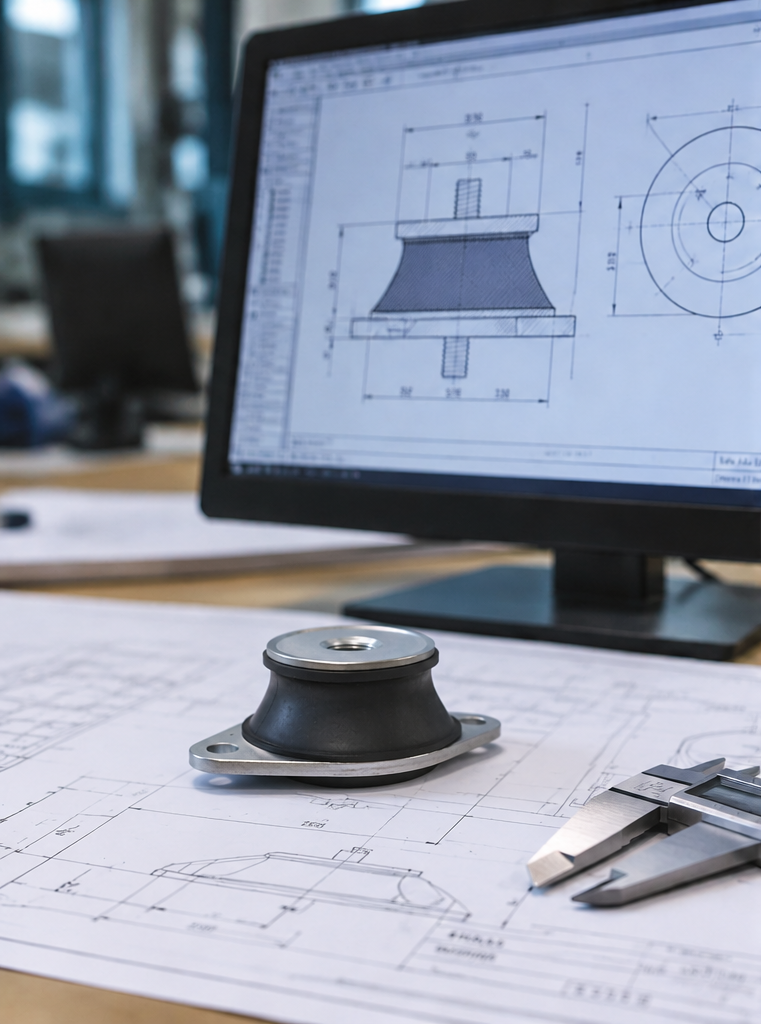
Build-to-Print Manufacturing of Rubber-to-Metal Components and Brake Discs
Rubber-to-metal bonded components and custom brake discs require careful consideration of the technical specifications associated with their intended applications.
For rubber-to-metal bonded components, relevant parameters may include elastomer hardness, metal insert geometry, load conditions and expected movements during operation.
For brake discs, manufacturing feasibility may depend on dimensional requirements, material characteristics and the operating conditions specified by the customer.
In both cases, engineering documentation provides the starting point for evaluating manufacturing feasibility.
Build-to-Print Manufacturing at JABE
At JABE, we manufacture rubber-to-metal bonded components and brake discs according to customer-supplied engineering drawings and technical specifications.
We review the technical documentation associated with each project to assess its specific requirements and evaluate the conditions necessary for manufacturing.
This approach enables us to assess each enquiry based on the component specifications and the customer’s manufacturing requirements.
What Information Should OEMs Provide When Requesting a Quotation?
- Updated engineering drawings, including the applicable revision and, where available, a 3D model.
- Technical specifications, including materials, dimensional tolerances and quality requirements.
- Component application and relevant operating conditions.
- Estimated annual volumes, order quantities and expected delivery schedules.
- Existing tooling information and any applicable qualification or approval requirements.
Looking for a Build-to-Print Manufacturing Supplier?
At JABE, we review customer drawings and technical specifications to assess the manufacturing feasibility of rubber, rubber-to-metal bonded components and brake discs.
Send us your engineering drawings and project requirements to discuss your manufacturing enquiry.