
How Elevator Guide Shoes Improve Ride Quality and Passenger Comfort
When passengers step into an elevator, they rarely think about the components working behind the scenes to ensure a smooth, quiet and comfortable journey. Yet for elevator manufacturers, every detail matters. The quality of the ride is not only a reflection of the elevator’s engineering but also of the performance of the components that make up the system.
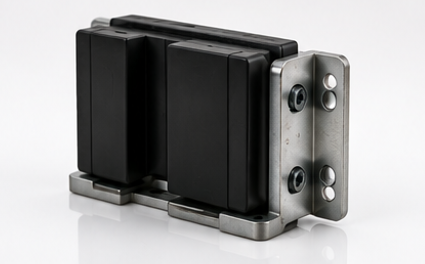
Among these components, elevator guide shoes play a far more important role than their size might suggest. While their primary function is to guide the car and counterweight along the guide rails, they also have a direct impact on ride quality, passenger comfort, vibration control and long-term system reliability.
For OEMs and elevator manufacturers, selecting high-quality guide shoes is not simply a purchasing decision—it is an investment in product performance, customer satisfaction and brand reputation.
Why Passenger Comfort Has Become a Competitive Advantage
Today’s building owners and users expect more from an elevator than simply moving people efficiently between floors. Whether in residential towers, office buildings, hotels, hospitals or commercial facilities, passengers increasingly associate a smooth and quiet ride with overall building quality.
As a result, ride comfort has become an important differentiator for elevator manufacturers competing in both new installations and modernization projects. Further information on these trends can be found at the European Lift Association (ELA) and in technical publications by Elevator World.
In many cases, the feedback received by manufacturers and maintenance companies is not only related to breakdowns or safety issues, but also passengers report concerns such as:
-
Cabin vibrations.
-
Unusual operating noise.
-
Side-to-side movement.
-
Jerks during acceleration or deceleration.
-
A general feeling of instability.
These issues are often linked to the dynamic behaviour of the elevator system and the performance of critical components such as the guide shoes.
The Role of Guide Shoes in Elevator Ride Quality
Guide shoes are designed to keep both the elevator car and the counterweight precisely aligned as they travel along the guide rails. At first glance, this may appear to be a straightforward mechanical function. In reality, their contribution extends well beyond simple guidance.
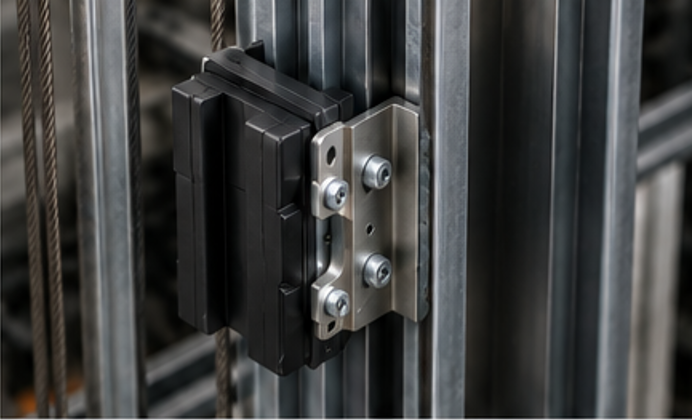
The interaction between the guide shoes and the rails has a significant influence on how vibrations and noise are transmitted throughout the elevator system. Properly engineered guide shoes help compensate for minor rail irregularities, installation tolerances and dynamic loads generated during operation.
For passengers, the result is a noticeably quieter and more comfortable journey. For manufacturers, it translates into higher perceived product quality and fewer customer complaints.
How Guide Shoes Reduce Vibration and Noise
Every elevator installation is subject to small imperfections. Guide rail tolerances, building movement and dynamic operating forces all generate vibrations that can be transferred directly to the cabin.
Although passengers may simply perceive these vibrations as discomfort, they are recognised within the industry as one of the key indicators of elevator ride quality. International standards such as ISO 8100-374:2021 define methods for measuring ride quality by evaluating vibration and acceleration levels during elevator operation.
To minimise these effects, guide shoes must provide:
-
Stable guidance throughout the entire travel path.
-
Effective vibration and shock absorption.
-
Consistent performance over time.
-
High resistance to wear under demanding operating conditions.
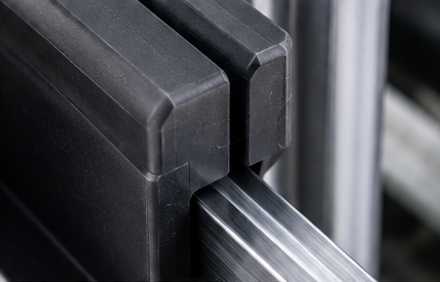
The ability of a guide shoe to absorb vibration depends on several engineering factors, including rubber formulation, contact geometry, material hardness and manufacturing precision.
When these variables are carefully optimised, vibration transmission is significantly reduced, resulting in smoother elevator operation and a superior passenger experience.
Conversely, guide shoes with poor wear resistance or inconsistent manufacturing quality can increase vibration levels, generate additional noise and negatively affect the perceived quality of the elevator throughout its service life.
Fewer Service Issues, Lower Warranty Costs
For elevator manufacturers, selecting guide shoes should never be based on unit price alone. While these components represent a relatively small percentage of the overall system cost, they can have a significant impact on long-term performance, maintenance requirements and customer satisfaction.
High-performance guide shoes contribute to:
-
Better elevator ride quality.
-
Increased passenger comfort.
-
Fewer complaints related to vibration and operating noise.
-
Reduced maintenance interventions.
-
Stronger brand reputation.
In an increasingly competitive market, delivering a consistently smooth ride can become a genuine competitive advantage. Components that improve system reliability also help manufacturers reduce the total cost of ownership for their customers.
What Should Elevator Manufacturers Look for in a Guide Shoe Supplier?
Not all elevator guide shoes deliver the same level of performance. Material selection, manufacturing consistency and engineering expertise all influence how the component performs over its service life.
For procurement, engineering and quality teams, choosing the right supplier means evaluating much more than price.
Material Performance
The quality of the rubber-metal compound directly affects vibration damping, wear resistance and friction characteristics.
Manufacturing Consistency
Even minor dimensional variations can influence the interaction between guide shoes and guide rails.
Reliable manufacturing processes and strict quality control ensure consistent performance across every production batch, reducing variability during installation and operation.
Long-Term Reliability
Guide shoes operate continuously throughout the life of the elevator. They must maintain their mechanical properties under intensive use, varying loads and demanding environmental conditions.
Choosing durable components reduces replacement frequency and helps minimise maintenance costs over the long term.
Engineering Support and Customisation
Modern elevator projects often require solutions tailored to specific applications, travel speeds or load capacities.
Working with a supplier capable of developing customised rubber-metal components allows manufacturers to optimise performance while meeting increasingly demanding customer requirements.
Elevator Performance Starts with the Right Components
Passengers may never notice an elevator guide shoe, but they will immediately notice the difference it makes.
A smooth, quiet and stable elevator ride is the result of hundreds of engineering decisions, many of which involve components hidden from view. Guide shoes are one of those critical elements that directly influence ride quality, vibration control and the overall passenger experience.
For elevator manufacturers, investing in high-quality guide shoes is not simply about component selection. It is about improving product performance, reducing lifecycle costs and delivering the level of comfort that today’s market expects.
JABE: Your Strategic Partner for High-Performance Elevator Guide Shoes
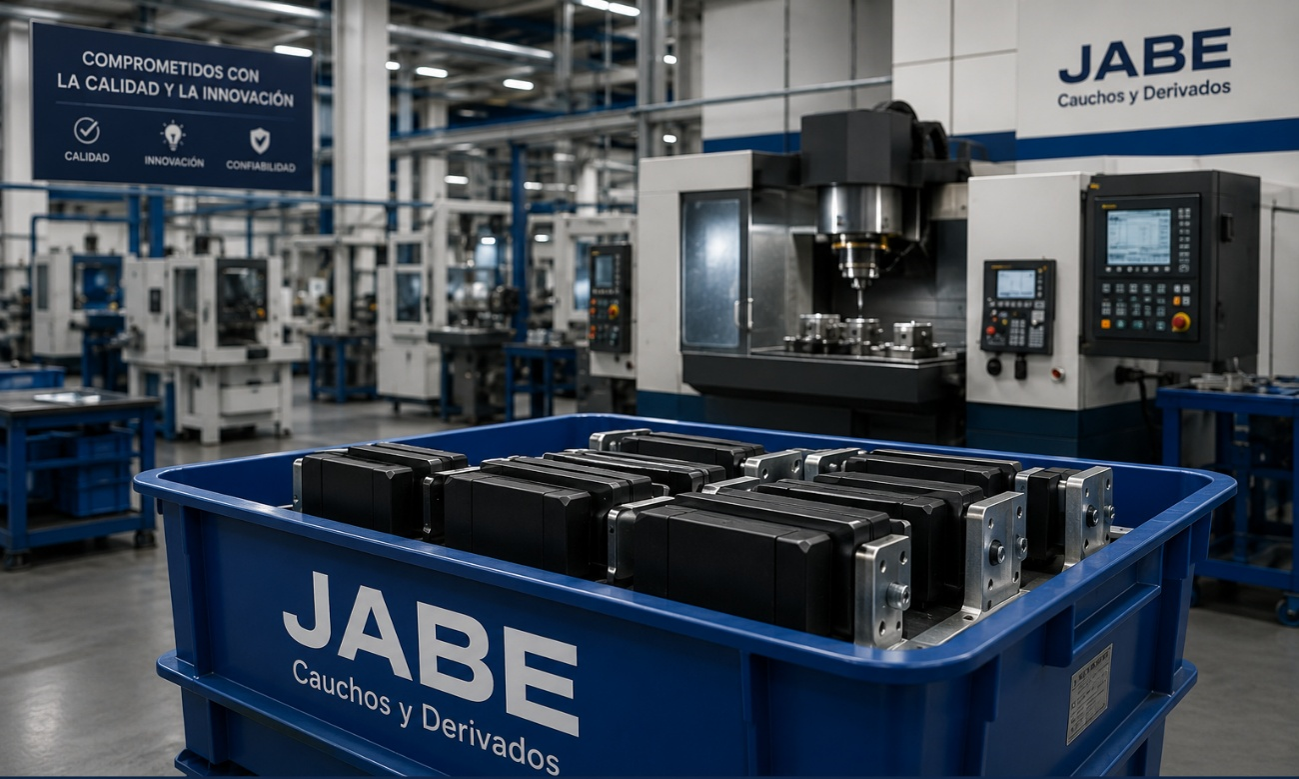
At JABE, we work alongside elevator manufacturers worldwide to develop rubber-metal components that meet the industry’s highest standards for performance, durability and reliability.
Our expertise in designing and manufacturing elevator guide shoes enables us to provide solutions that improve ride quality, reduce vibration and noise, and support long-term system performance in both new installations and modernization projects.
Beyond manufacturing, we collaborate closely with our customers to develop solutions tailored to their specific technical requirements, helping them achieve greater product consistency and enhance the passenger experience.
Because in today’s elevator industry, the difference between a standard ride and an exceptional one often comes down to the components passengers never see—but always feel.
Contact us to receive a tailored proposal.
*For confidentiality reasons, the published images have been edited using AI.